
Foreground is not a trick. It’s a feeling.
I didn’t walk into the café to photograph. I walked in because something held me there, a gravity I couldn’t yet name. It wasn’t the curated décor or the scent of the roast.
It was some kinda frequency.
A quiet, unfinished air. Almost invisible. Light was moving through the room with a heavy slowness, like
A guest who didn’t want to leave.
A chair carried the ghost of a pause.
A cup sat mid-conversation, though the air was silent.
Nothing was happening, and yet everything was deeply present.
Just alive with a pause. It had the quiet tension of something old being reborn, and that is what made it worth seeing.
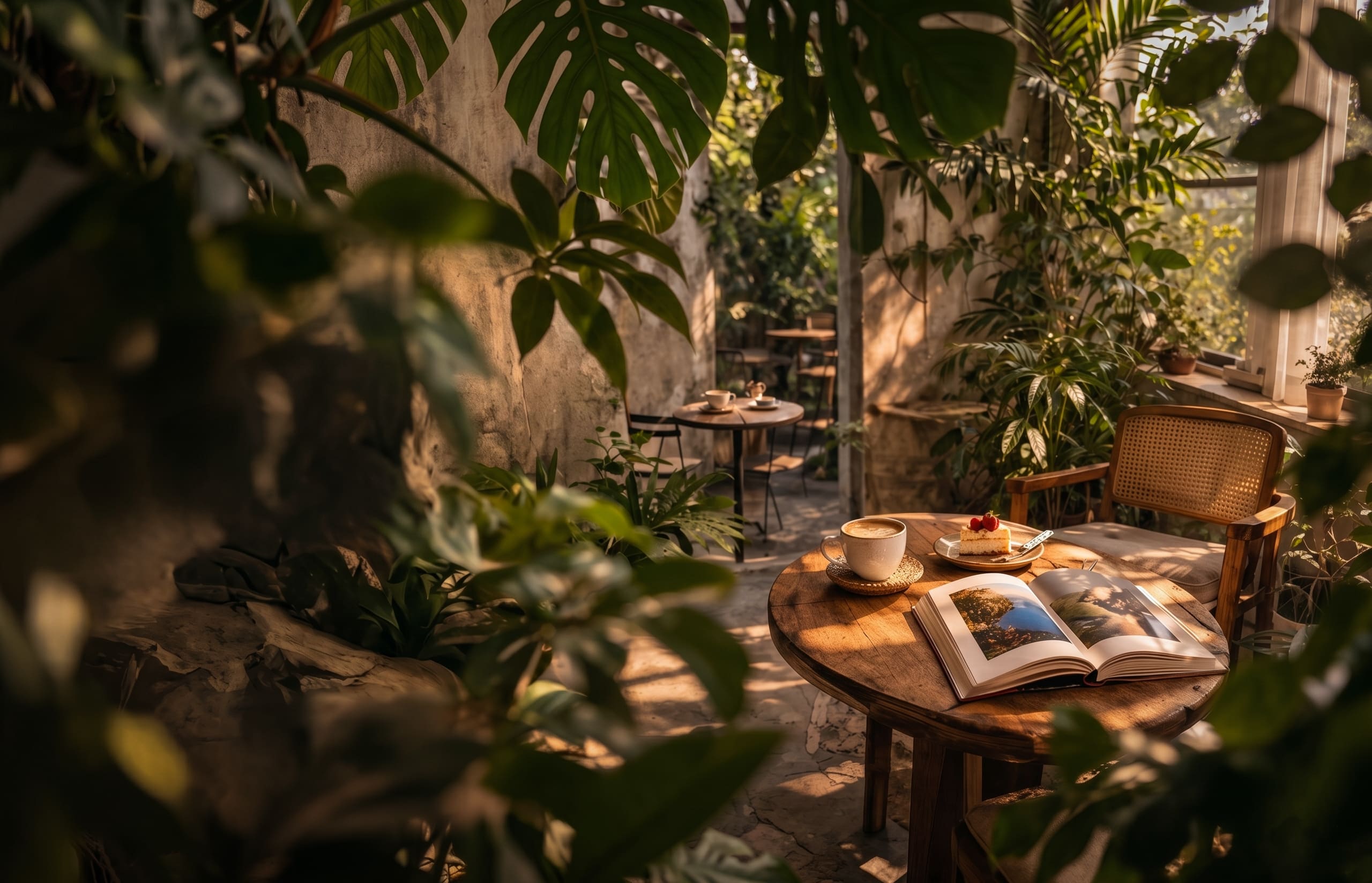
In Pune, old places turning into cafés have become their own kind of language.
A forgotten wall becomes a backdrop.
A weathered floor becomes texture.
A structure that once belonged to another time now holds coffee, conversation, and stillness.
That transformation is what drew me in.
Because this was not only a café.
Ohh!! It was a memory with a second life.
This is where I get a bit restless and my art exhales.
It didn’t begin with my eye, but with a sudden, wordless weight in my chest, the marrow-deep recognition of a space before my mind has time to name it. I didn’t merely look at a room; I dissolved into it. I leaned into the vibrating tension held in the stillness and listen to the quiet ache that gathers in empty corners, like dust motes catching the gold of a dying sun.
I find myself drawn to the invisible, the heavy, ghost-warmth of a conversation that has just vanished, or the breathless, electric air of a moment that is only just beginning to arrive.
That sensitivity, the stubborn, intuitive instinct to root myself where the rest of the world merely drifts past. Maybe this is that slow-beating pulse beneath the surface of my frames. My camera never demands the lead; it is simply the quiet, trembling witness to the soul of a place.
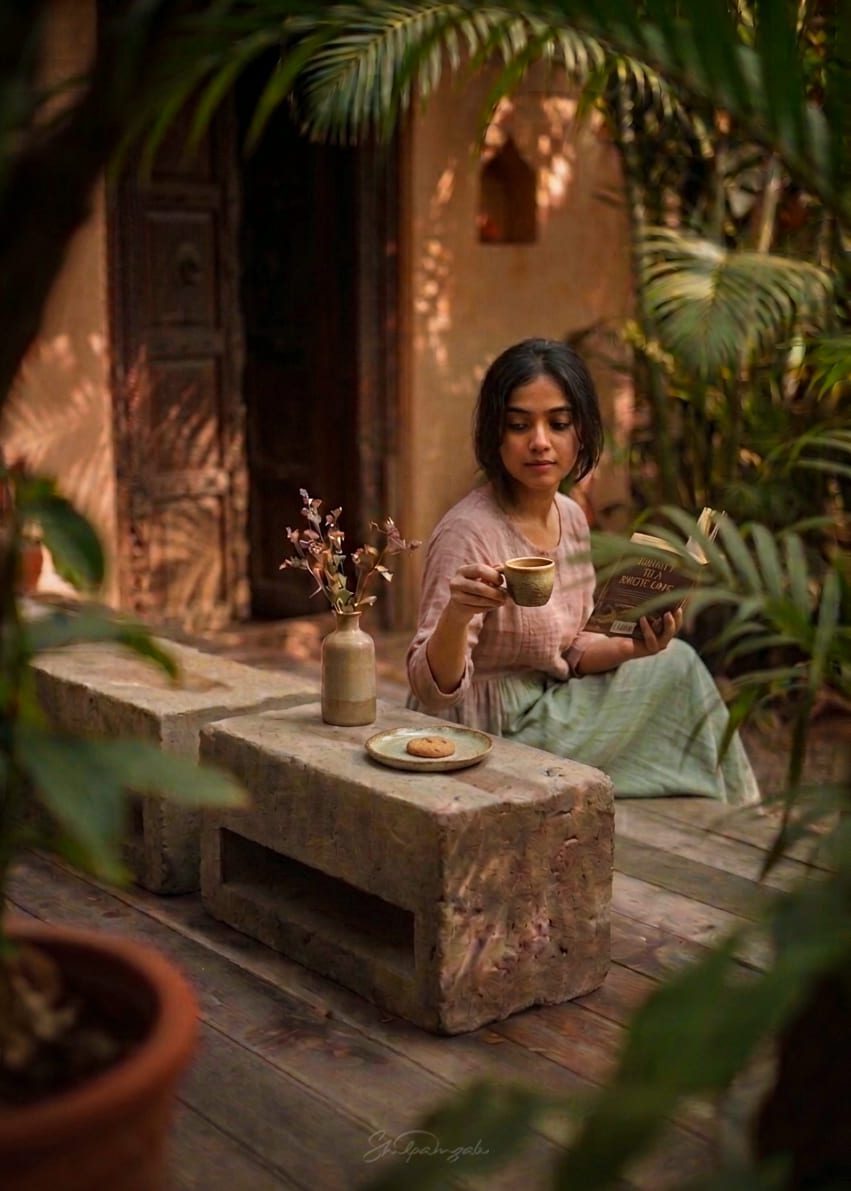
Why This Old Pune Space Felt Different
This café was part of a very current Pune story: old spaces being converted into intimate, atmospheric cafés. People are naturally drawn to places that carry history but offer a fresh way to experience it.
That tension is what makes these spaces powerful. They do not need to be overly styled. Their charm is already built in, in the walls, the textures, the light along with the age of the structure itself.
What I saw here was not just a café.
I saw a place where time had changed form.
That gave the imagery a deeper emotional layer. The old and the new existed side by side, and that contrast gave the space its character.
The Art of the Interruption
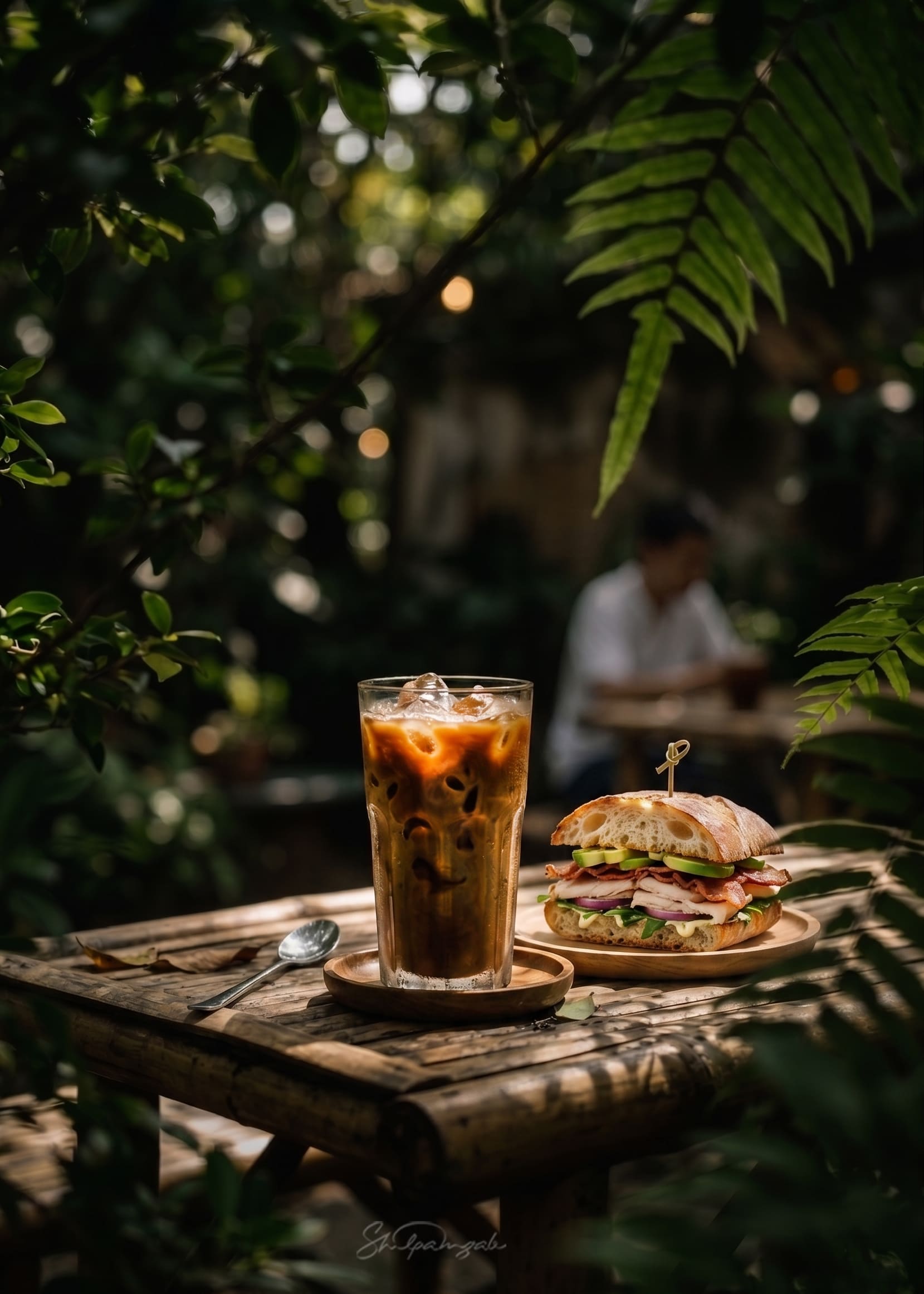
At first, I did what the eye is trained to do. I corrected the frame. I cleaned the lines, balanced the weight and perfected the symmetry. And in that instant, the felt the very soul of the cafe vanished. Perfection has no memory; it reveals everything but leaves no trail for the heart to follow.
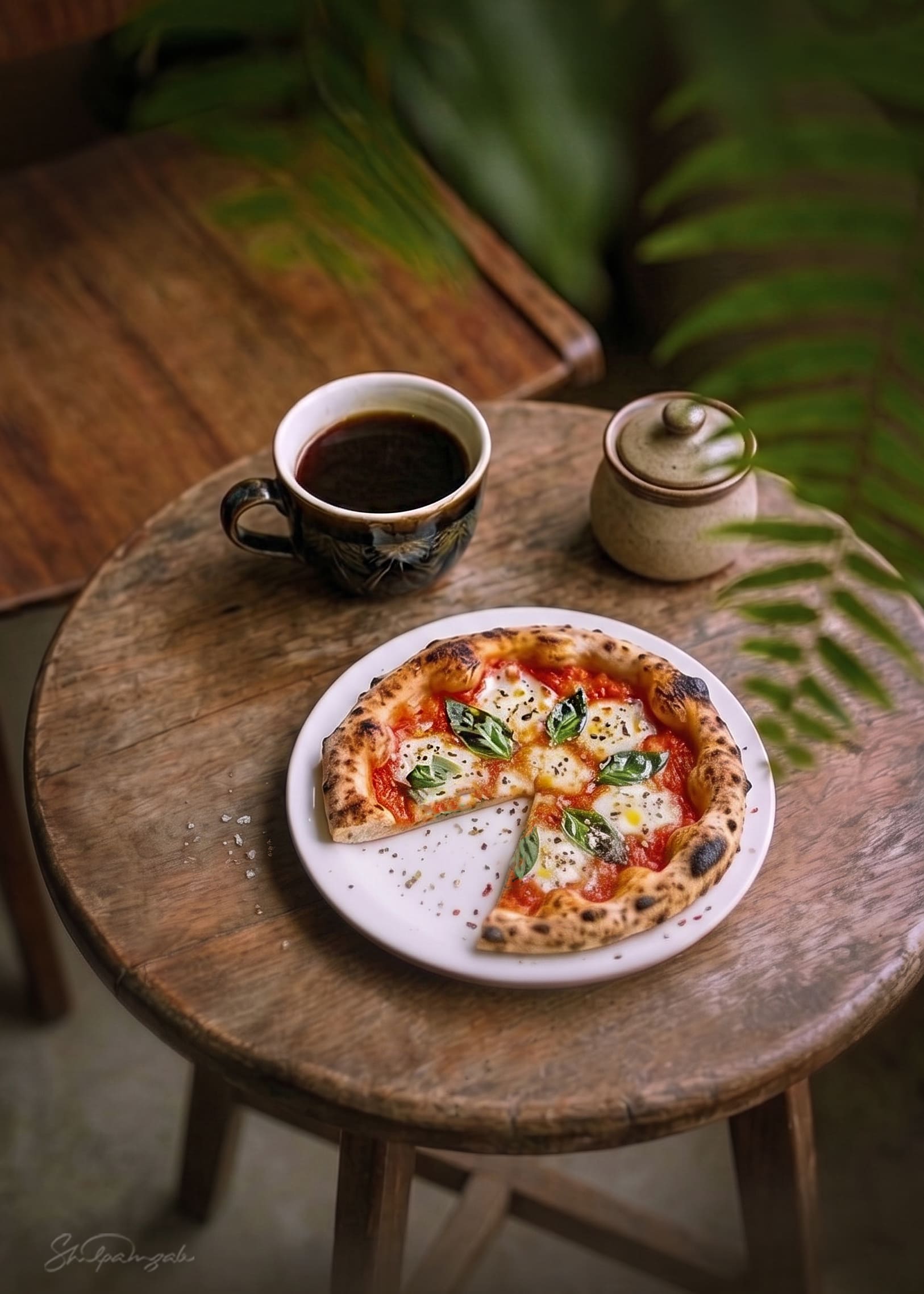
So I stopped shooting at the scene. I started shooting through it. I let a leaf drift into the foreground, not as a prop, but as a veil. Suddenly, the image wasn’t a flat surface to be looked at; it was a threshold to be crossed.
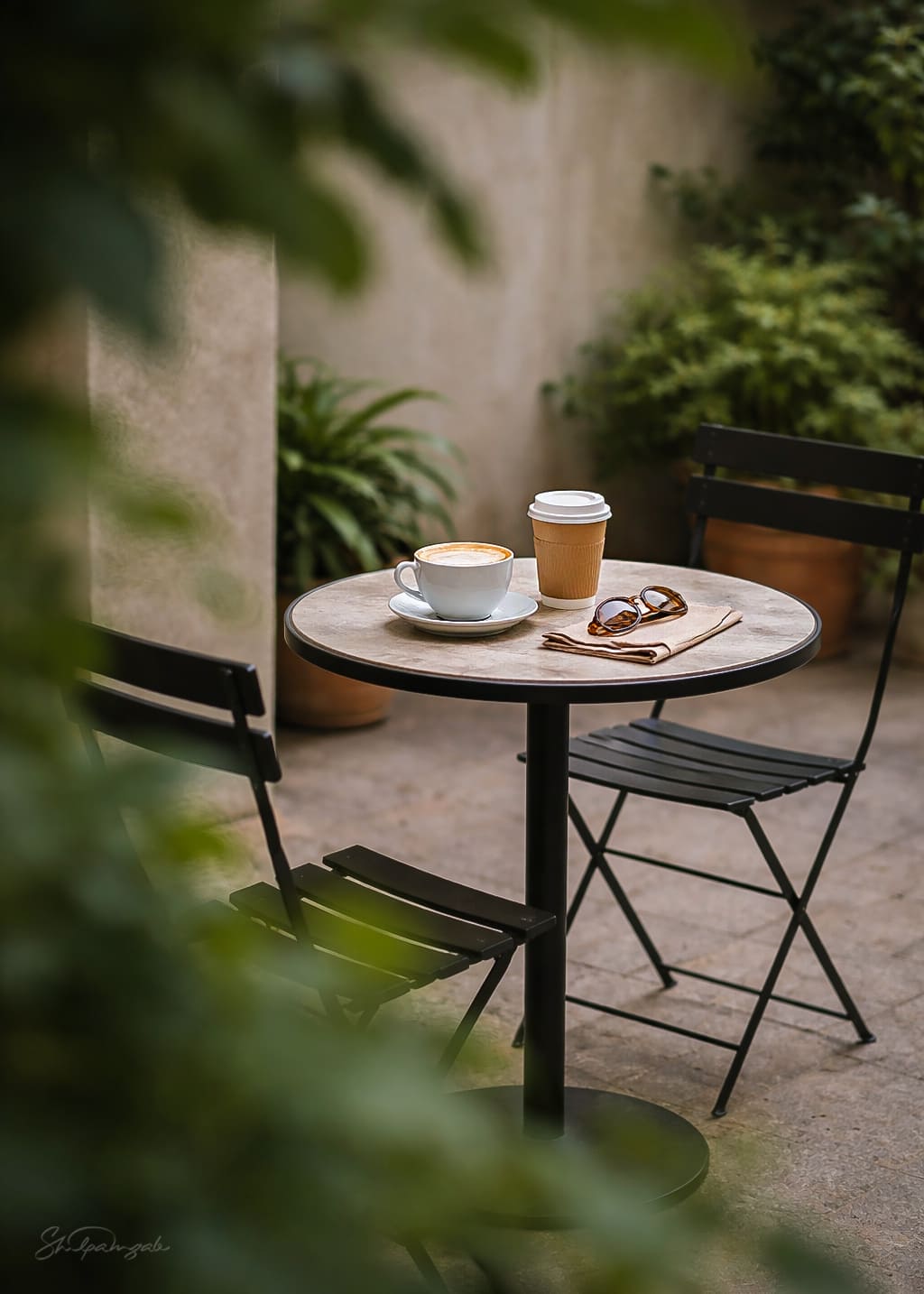
At another table, the composition felt too complete. Too controlled. It lacked the breath of reality. I didn’t reach out to move the glass; I shifted my own existence. I let a structure, a blur, or a shadow interrupt the view. In that interruption, the space breathed again. It became human.
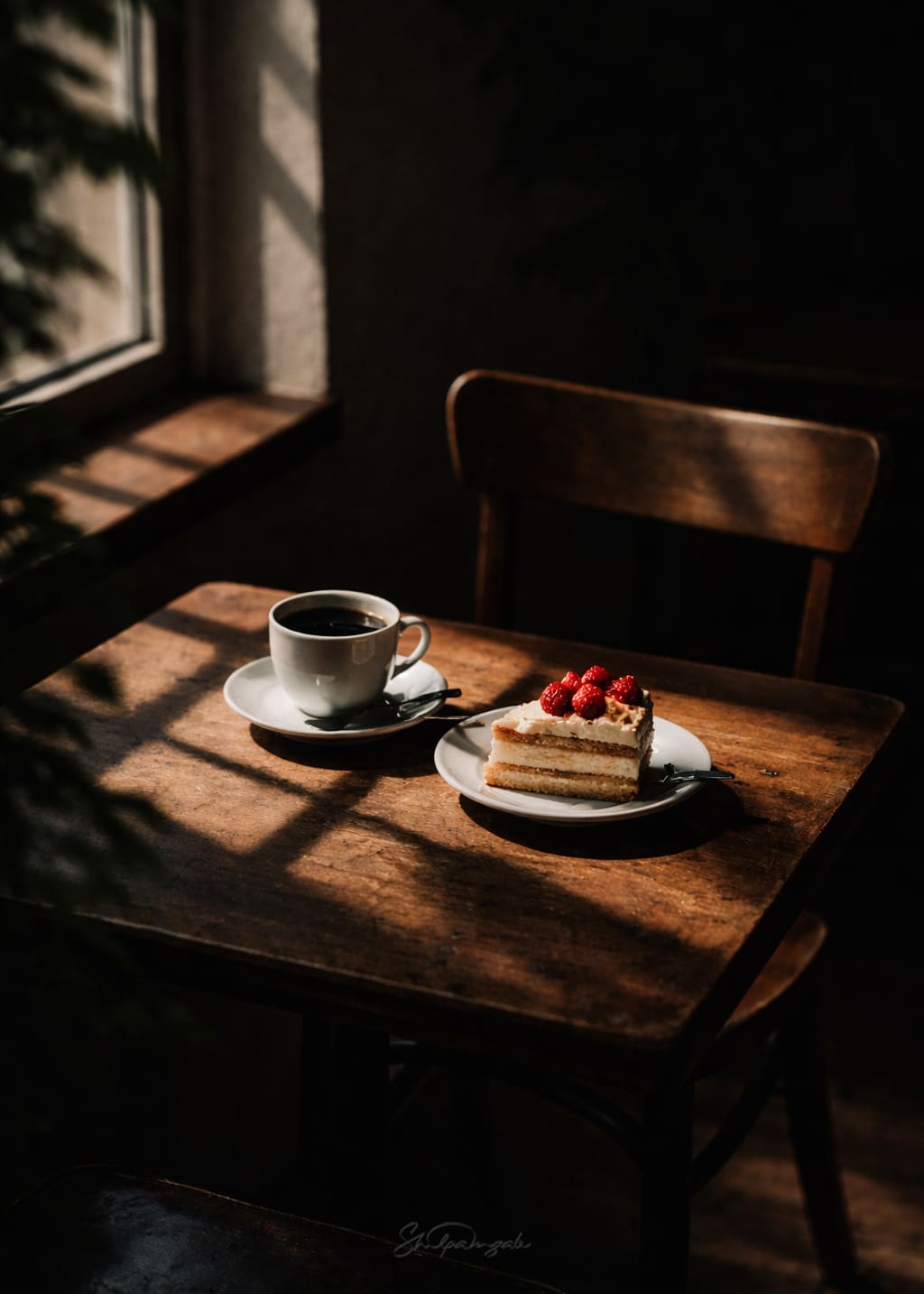
Foreground Is a Feeling
I have always believed that the foreground is not decoration. It is an emotion. When a branch softens an edge or a shadow bisects the lens, the photograph ceases to be information. It becomes experience. You aren’t observing the room; you are hiding within it.
Shooting at a scene gives information. Shooting through it gives a feeling. I wanted the frame to hold the sense of something being seen carefully, slowly, and with respect.
There was a chair. Empty, but heavy with presence. It held that specific lingering warmth that remains after a departure, or the quiet vibration of an arrival yet to come. Had I shown it clearly, the mystery would have dissolved. Instead, I framed it through the reach of a plant. Presence is never a direct hit; it lives in the periphery, slightly out of reach.
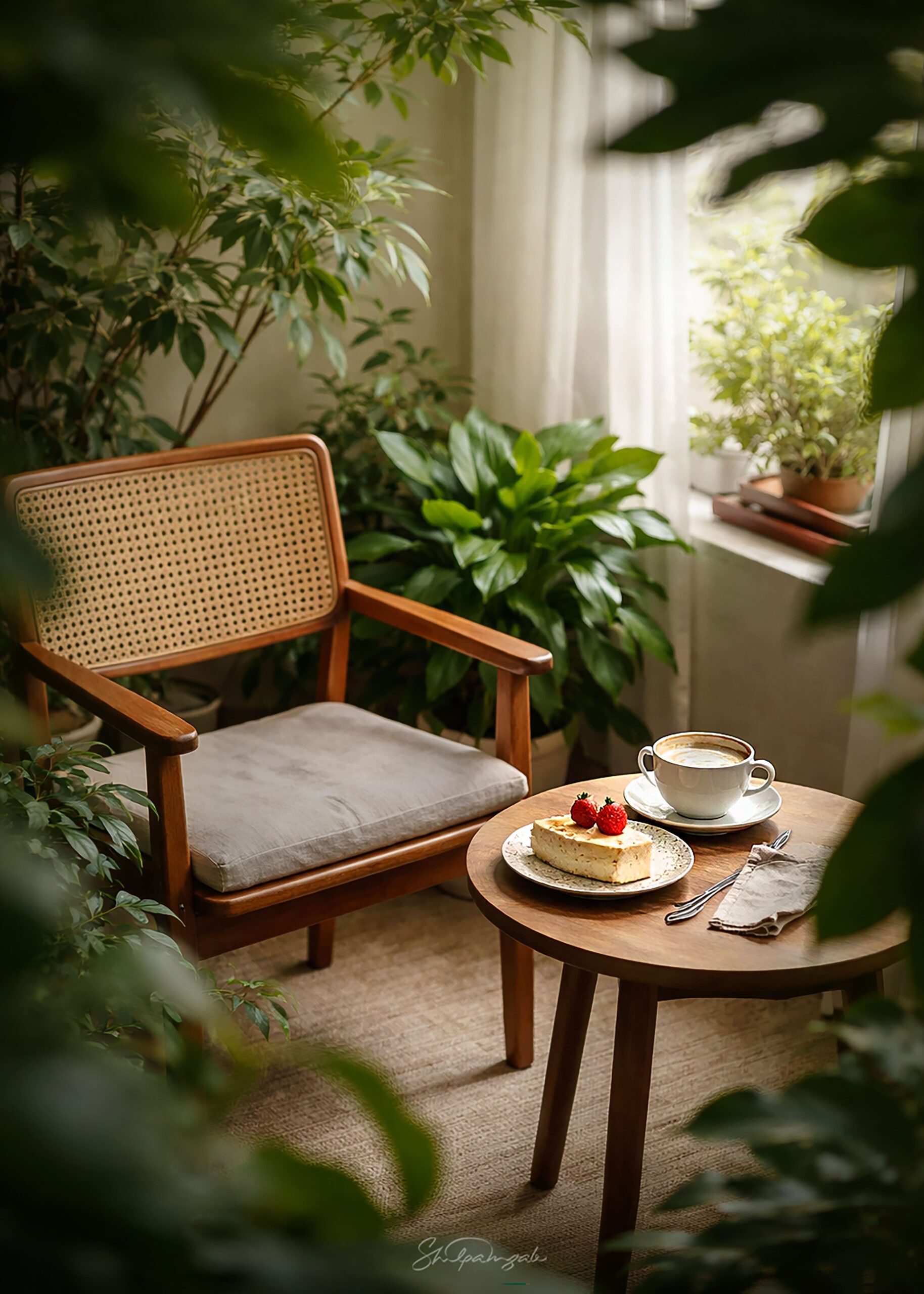
Near the window, a glass caught the afternoon sun—but only in part. The rest surrendered to the dark. It didn’t feel like an object; it felt like time itself melting, slipping, refusing to be held. I stayed back. Clarity would have stolen the ghost of that moment.
The Poetry of the Unseen
Some frames are not meant to be deciphered; they are meant to be felt in the marrow. There was a table that didn’t feel like a surface for coffee. It felt like a story left on a cliffhanger, a pause in a narrative that refused to end.
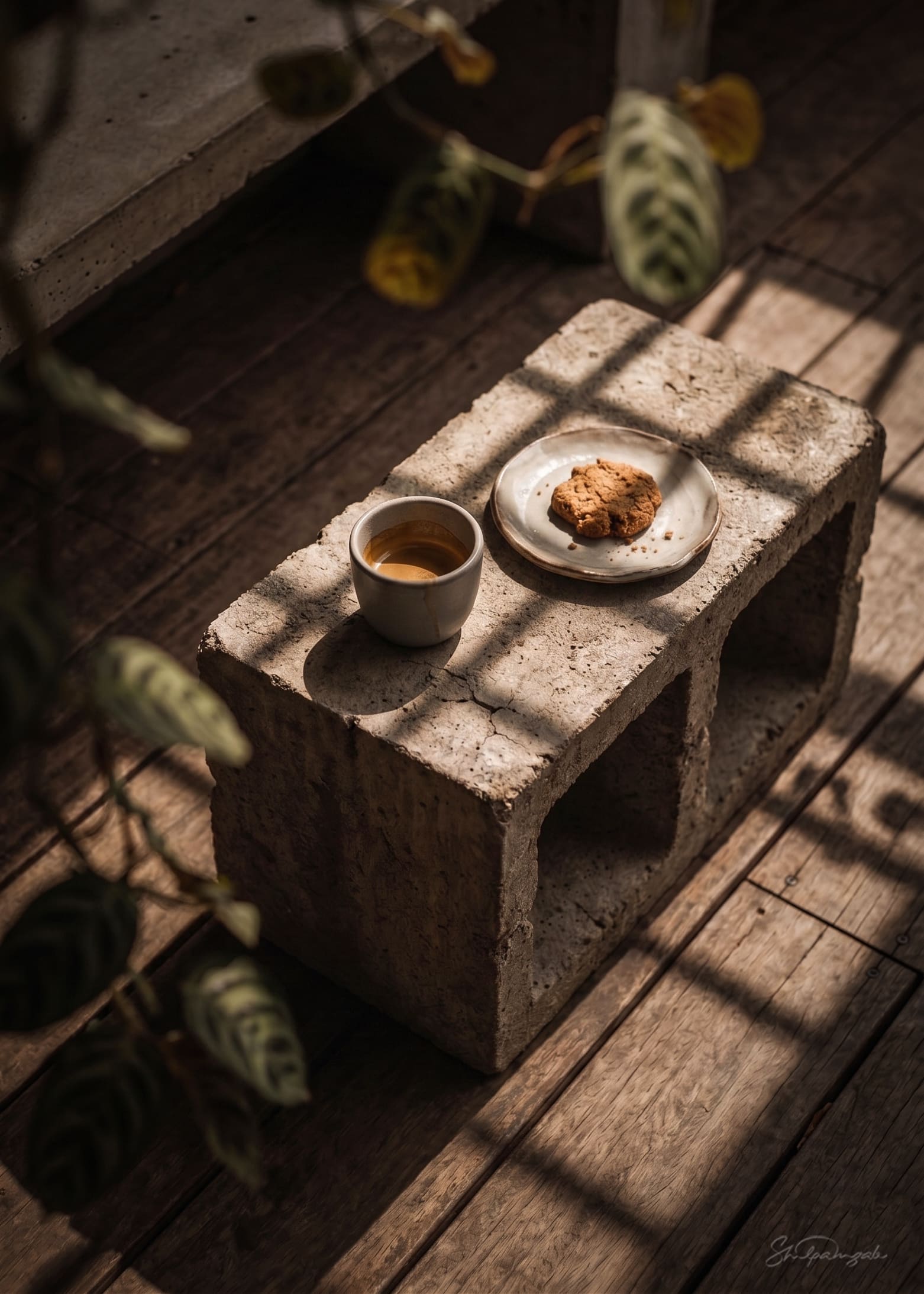
In the deeper corners, I found myself looking through the darkness of a boundary. A shadow that both held the scene and withheld it. For a heartbeat, it felt like I was trespassing on a secret. And that is the secret of the frame: What you hide is often what pulls the soul in.
Shooting Through, Not At
My visual approach in this space was deliberate. I did not want clean, direct, straightforward frames. I wanted layers. I wanted depth. I wanted the eye to move through the image instead of landing on it too quickly.
So I let objects interrupt the view.
I used leaves in the foreground.
I allowed partial obstructions.
I worked with soft blur and selective focus.
I let distance remain in the frame.
That distance was not technical. It was emotional.
A cup could be a cup.
Or it could be hesitation.
A chair could be a chair.
Or it could be absence.
A table could be a table.
Or it could be a pause.
When you shoot through a space, you allow it to speak in layers. And layers always hold more story than clarity alone.
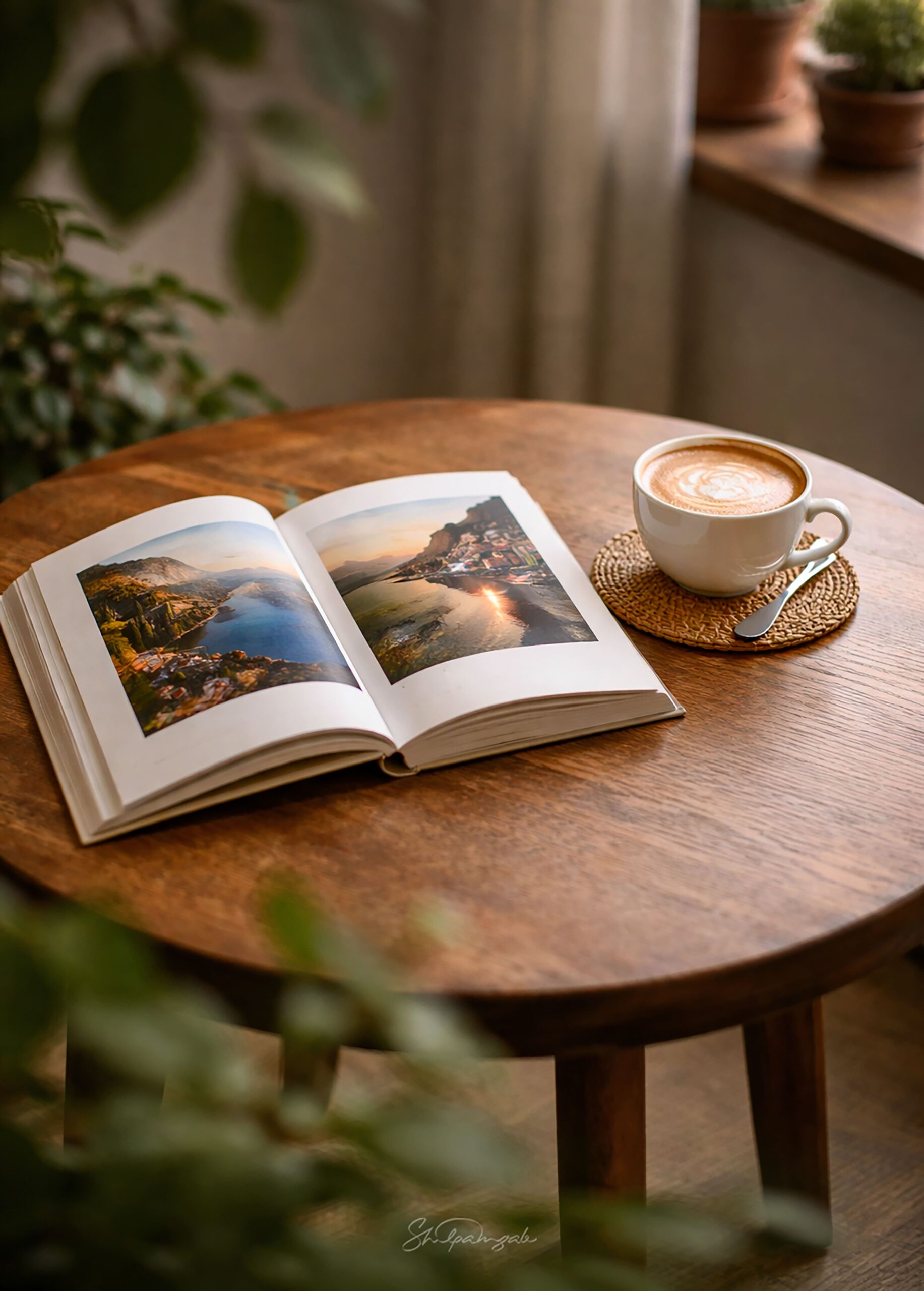
Composition That Holds Attention
Composition was central to this series.
I used angles that created intimacy rather than distance. A slightly lower viewpoint gave the furniture more presence. A side angle softened the obviousness of the scene. A frame shot through plants created a sense of discovery. Negative space gave the image room to breathe.
Every visual choice was made to guide the eye gently, not forced into.
Leading lines pulled the viewer inward.
Balanced framing created calm.
Uneven interruptions created interest.
Open space allowed silence to become part of the design.
This is where photography becomes more than documentation. It becomes choreography. The eye moves because the frame invites it to move.
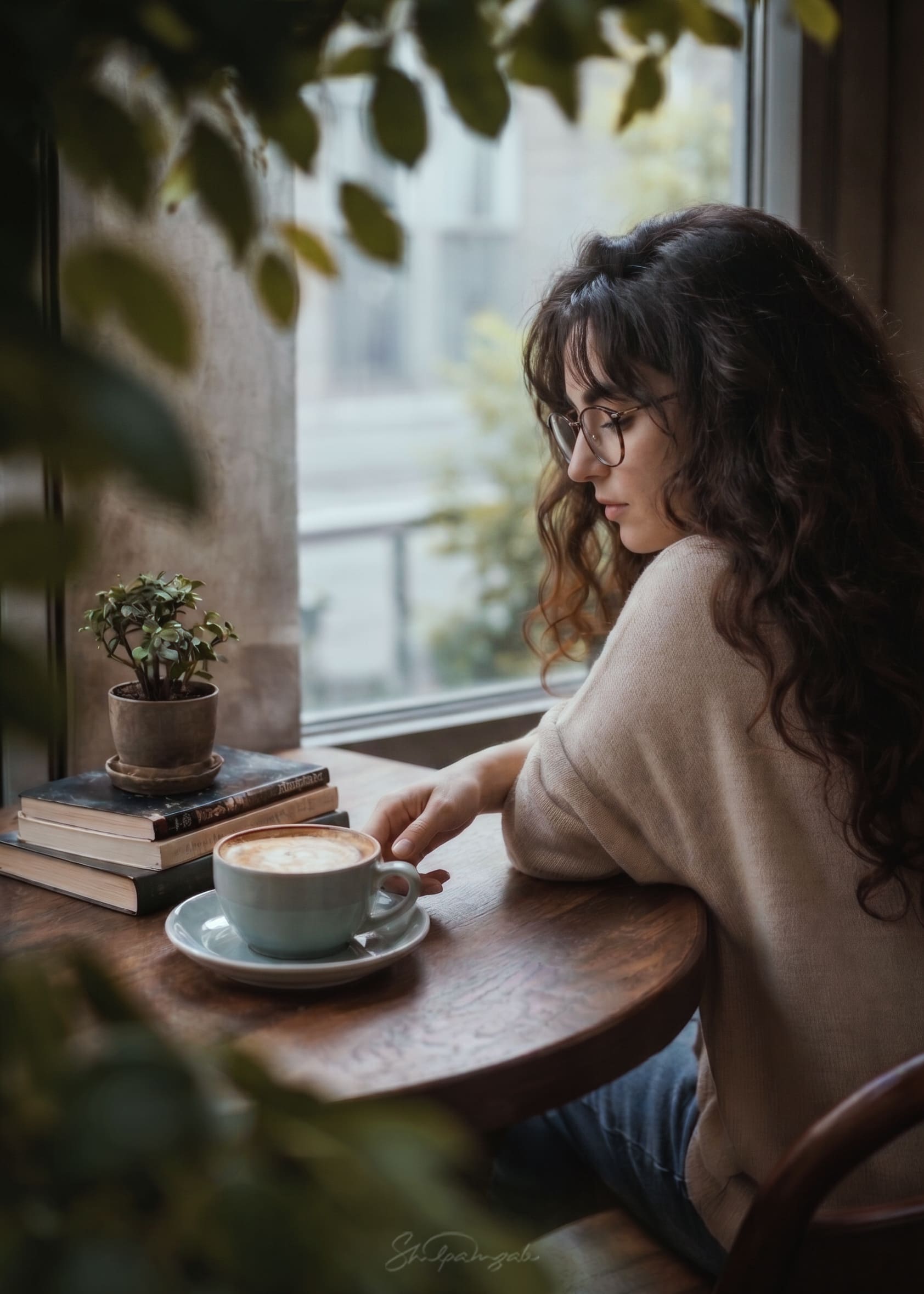
Light That Shapes Mood
The light in this café was one of the most important parts of the story.
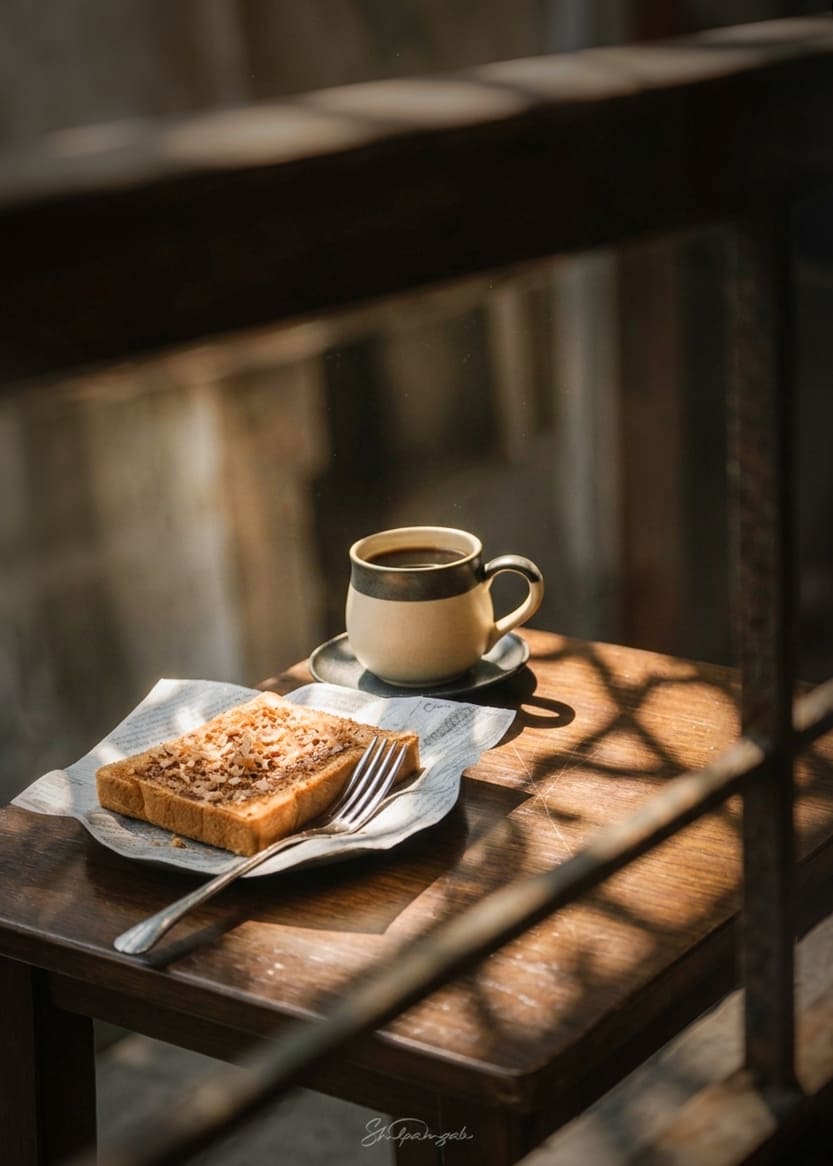
It was natural, filtered and unhurried. It moved across the room in pieces, touching a cup here, a tabletop there, and leaving the rest in shadow. That kind of light does not just reveal objects. It creates atmosphere.
Some frames were warm and sunlit.
Some were darker and more contemplative.
Some held both brightness and shadow in the same breath.
That contrast gave the images emotional dimension. It made them feel lived in. It made them feel real.
Light can make a café look beautiful.
But more importantly, light can make a café feel remembered.
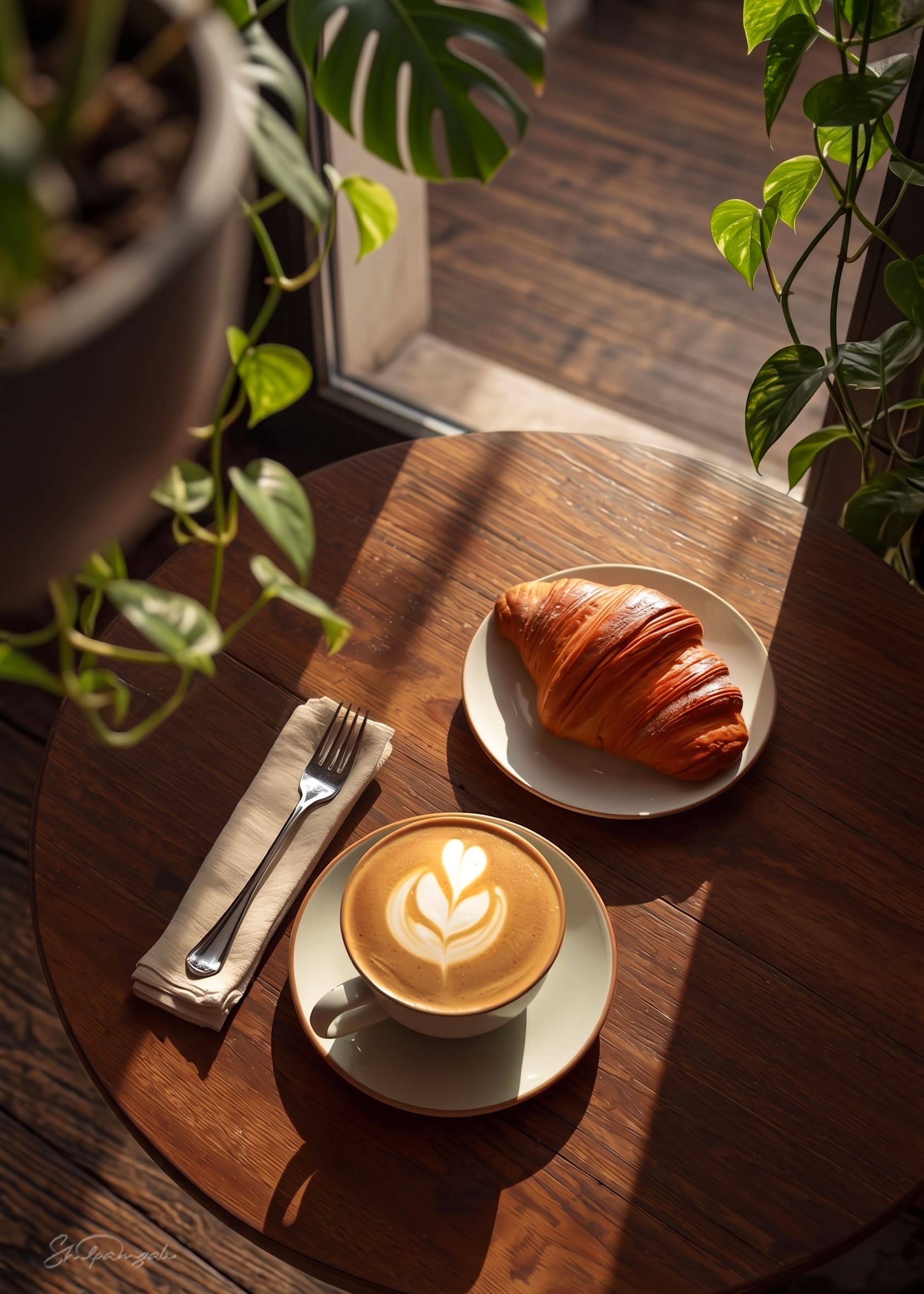
When a Café Becomes a Feeling
The strongest spaces are not remembered for what they contain. They are remembered for what they make you feel.
In this café, the plants softened the edges. The furniture carried warmth. The textures made the space feel grounded. The stillness between elements created a sense of pause. Everything worked together to build mood.
That is why the place felt so easy to photograph and so difficult to reduce.
It was not just a room with tables and cups.
It was a feeling shaped by atmosphere.
And that is exactly what I wanted to capture.
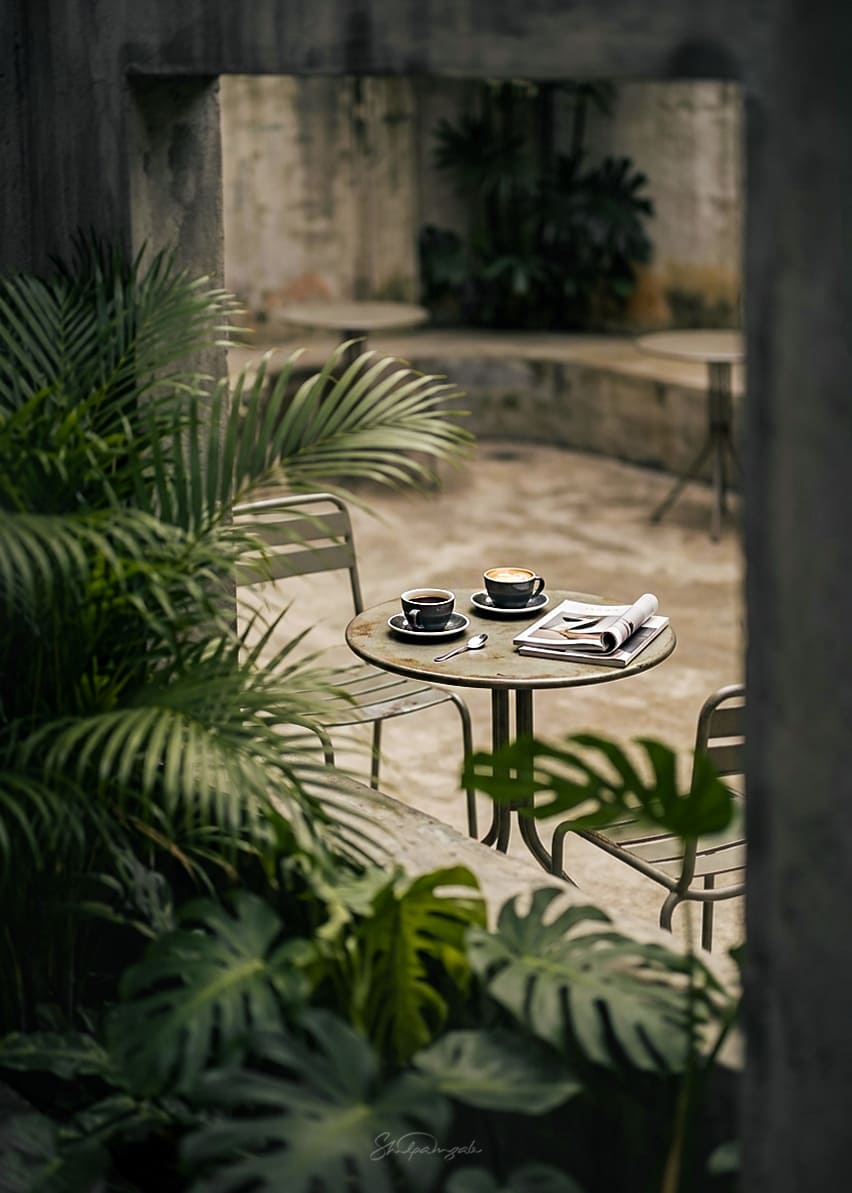
Blending My Vision With the Space
This is where my work goes beyond photography.
I do not only photograph what is there.
I love to interpret what it means.
My vision has always been about perception, about shaping how a space is felt before it is understood. In this café, I blended my artistic language with the ambience of the place. I did not impose a style on it. I listened to what it already offered and translated that into images.
Naturally utilising the experience of my role as a visual strategist, I guess!
Not just to make something look good.
But to make it feel credible, desirable and memorable.
Blending My Vision With the Space
This is where my work goes beyond photography.
I do not only photograph what is there.
I love to interpret what it means.
My vision has always been about perception, about shaping how a space is felt before it is understood. In this café, I blended my artistic language with the ambience of the place. I did not impose a style on it. I listened to what it already offered and translated that into images.
Naturally utilising the experience of my role as a visual strategist, I guess!
Not just to make something look good.
But to make it feel credible, desirable and memorable.
Why Feeling Converts Better Than Perfection
Perfection is easy to admire and easy to forget.
Feeling stays.
A photograph that feels something creates memory. And memory creates trust. In branding, that matters more than technical perfection. People may notice a clean image, but they return to an image that makes them imagine themselves inside the story.
That is why atmosphere is so very powerful.
It creates belonging.
It creates desire.
It creates emotional recall.
For cafés, brands and spaces, that emotional pull is what drives connection. People do not only visit because a place looks good. They visit because it feels like somewhere they already want to be.
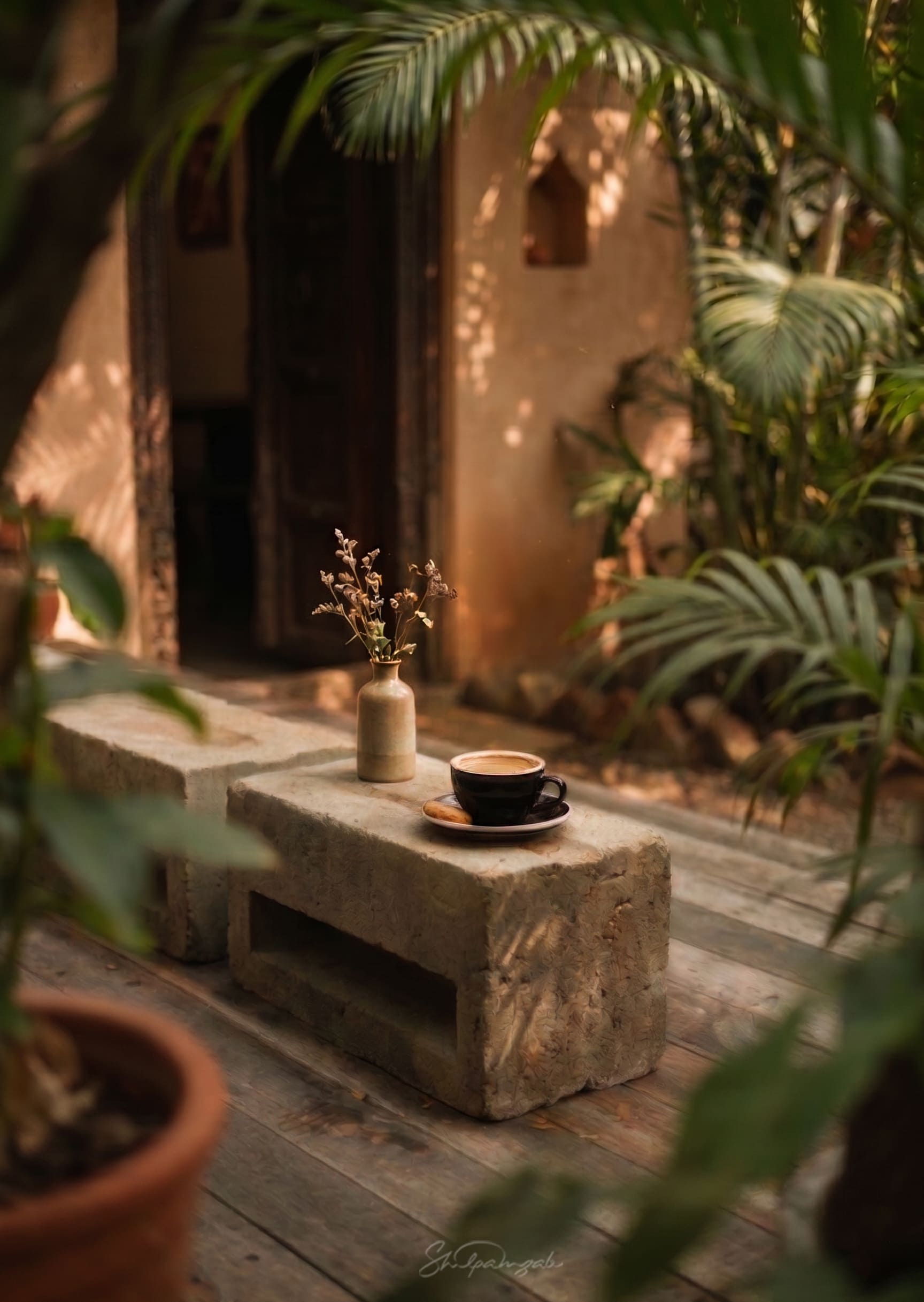
When Vision Feels Real
I did not capture objects in this café.
I captured interruptions.
Soft ones. Honest ones. Unfinished ones.
Because without them, the frame would have been beautiful.
But it would not have been true.
And truth is what people return to.
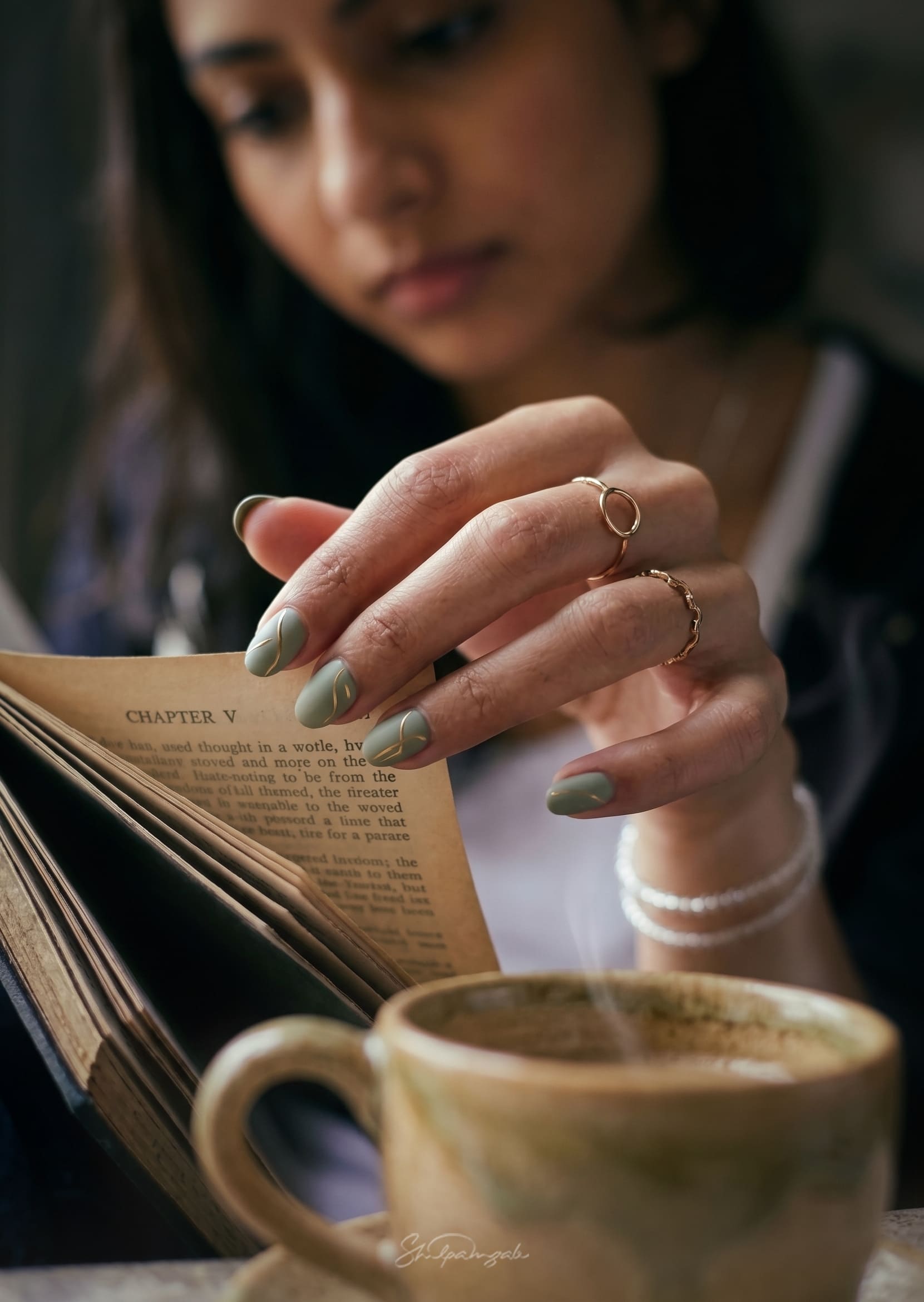
Creativity is a Gift
What made the day feel full was not just creating something beautiful, but creating something that felt true. There is a rare kind of peace in bringing a vision to life with intention, when instinct, emotion, and craft align and the work begins to feel like a reflection of something deeper. In that moment, it was not only about making an image. It was about giving shape to a feeling, and that is what stayed with me.
Next time you photograph a space, do not ask how to make it look good. Ask what it feels like when no one is trying to impress anyone. Then do not clear the frame. Let something remain in the way. That is where the story begins.
The work is never only about making something look good. It is about noticing what a space already carries, and allowing that feeling to remain in the frame.
That is where the difference lies. Not in decoration, but in interpretation. Not in showing everything, but in knowing what to leave partially unseen.
When an image holds mood, rhythm, and quiet intention, it does more than represent a place. It gives the place a voice. And that is what makes the image stay with people.
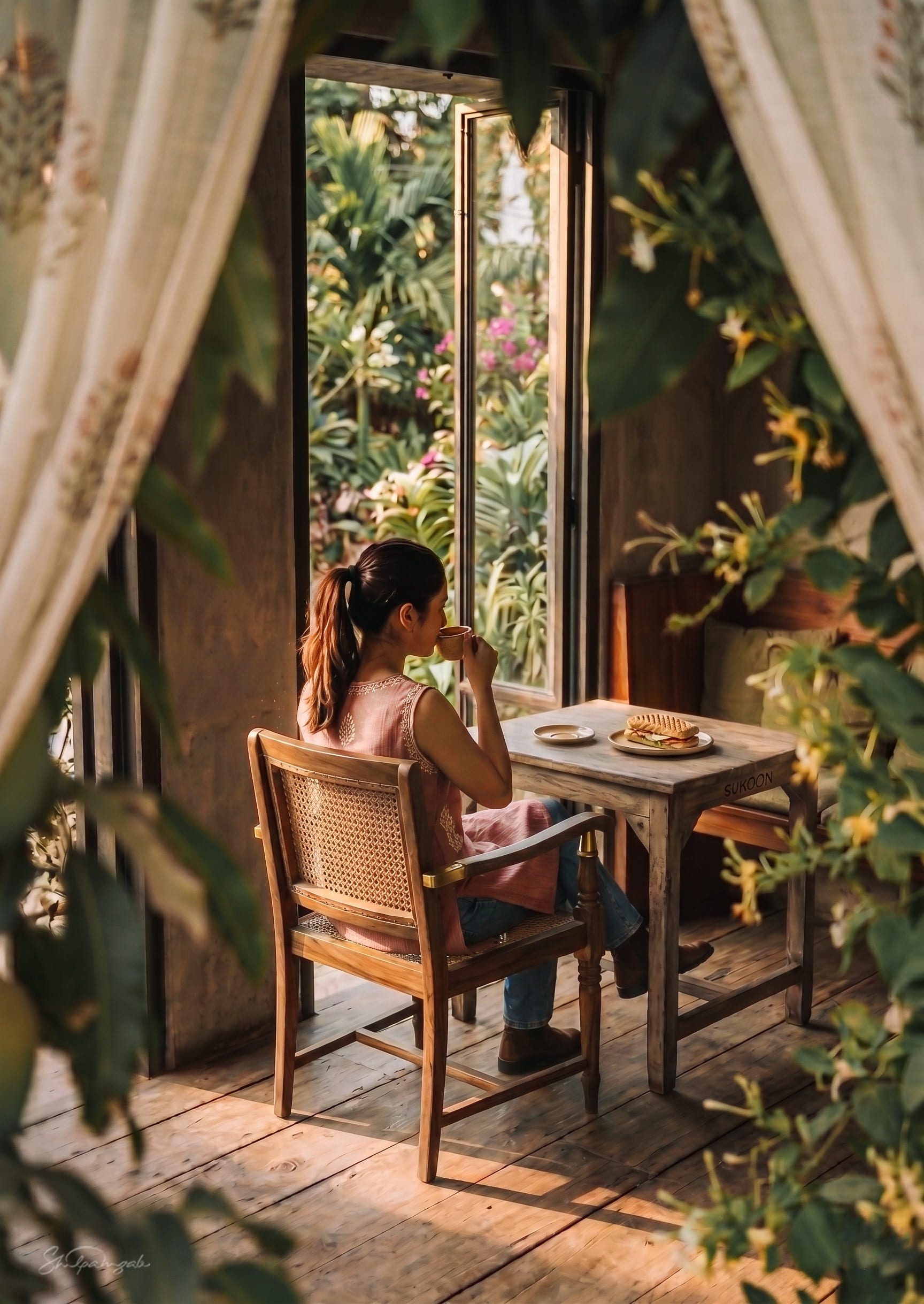
The Fulfilment of the Creative Urge
What made this day feel full was not just the act of creation, but the realization of truth. There is a rare, profound peace that settles when vision and intention finally align, when instinct, emotion, and craft hum the same note.
In these moments, I am not merely “taking” a photo; I am giving shape to a feeling that was previously invisible. This is what truly satisfies the creative urge: the ability to notice what a space already carries and to hold it gently within a frame. It is not about decoration, but interpretation. It is not about showing everything, but about knowing exactly what to leave partially unseen so the story can breathe.
When an image holds mood, rhythm, and quiet intention, it does more than represent a place, it gives that place a voice. And that is the only thing that truly stays with people.
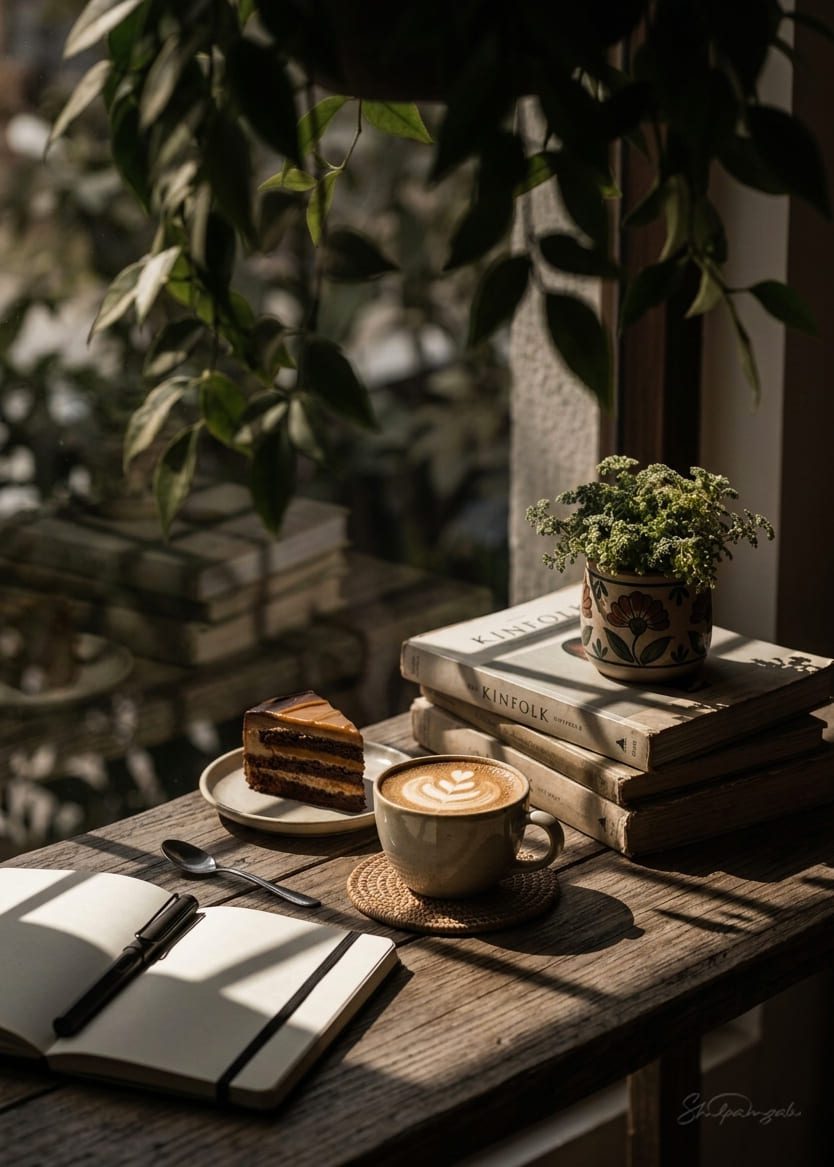
I chose angles that favoured intimacy over distance. I lowered my perspective to give the very furniture a voice. Every choice was a choreography of light and shadow:
- Leading lines that didn’t just point, but pulled the viewer inward.
- Balanced framing that whispered of calm.
- Negative space that allowed the silence of the room to become part of the design.
Why Feeling Outlasts Perfection
Most photography is content with aesthetics. It settles for “good.” But a place is never just its dimensions; a place is how it lingers in your mind after you’ve walked out the door. People do not choose where to go based on logic. They choose based on a pull they can’t explain:
- Is there a seat for my thoughts here?
- Does this space recognize me?
- Can I disappear into this moment?
A “perfect” photograph answers none of these. But a felt image, an image shot through the soul of the space, does the work before a single word is read. It slows the frantic scroll. It creates a sanctuary of a second. It builds desire, not through noise, but through a quiet, irresistible invitation: “I want to be there.”
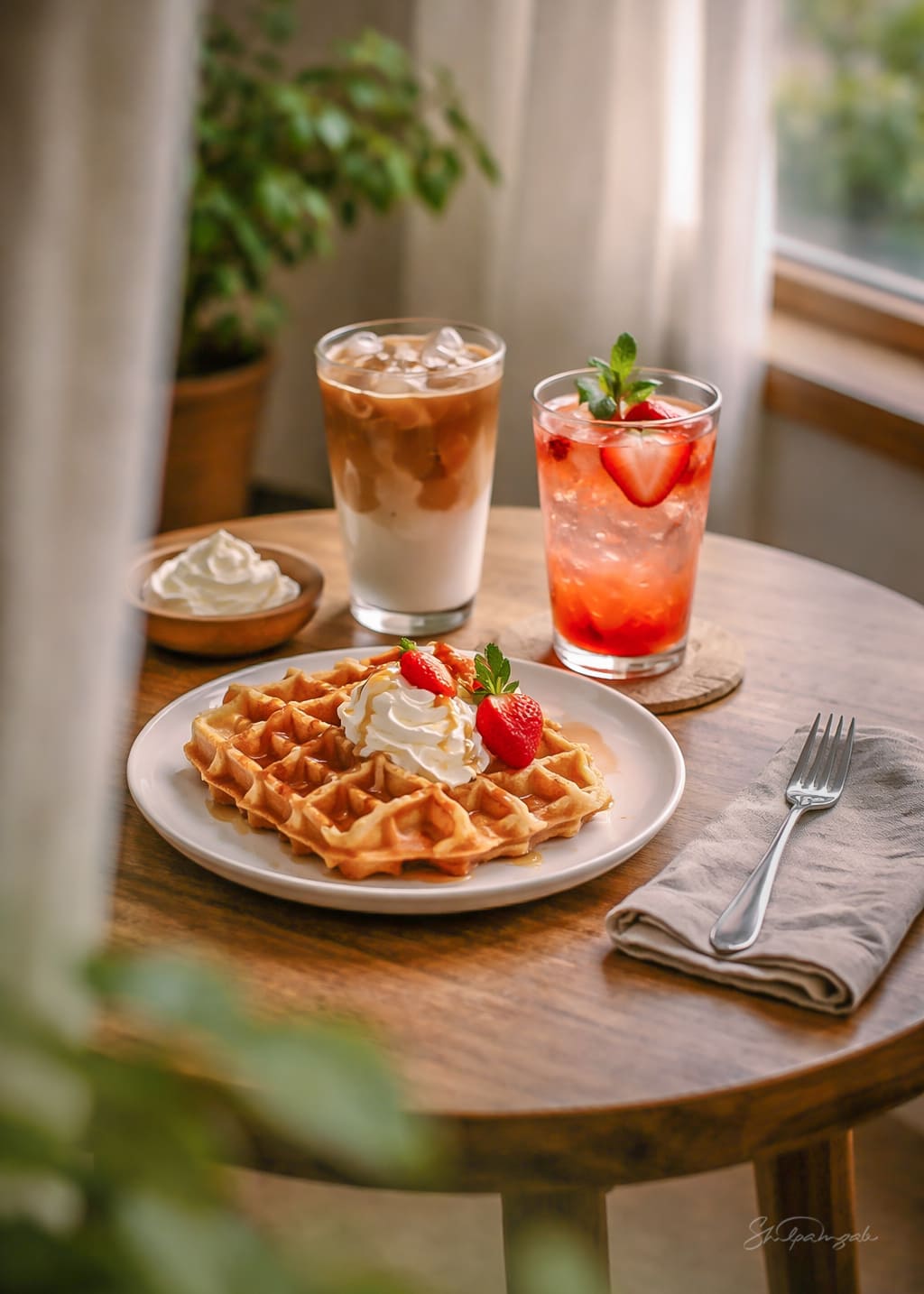
Translating the Soul
This is why artistic vision is a necessity, not a luxury. It isn’t about making things look “better”, it’s about seeing the holiness in what others overlook. The silver light on a spoon. The air in an empty seat. The vibration inside the stillness.
It is about the sensitivity to feel a space so deeply that the image becomes a bridge. My vision has always been about perception, about shaping how a space is felt before it is understood. I do not impose a style; I listen to what it already offers.
In a world of perfect, polished, forgettable images, perfection disappears. But emotion? Emotion stays.
The Fulfilment of the Creative Urge
What made this day feel full was not just the act of creation, but the realization of truth. There is a rare, profound peace that settles when vision and intention finally align, when instinct, emotion, and craft hum the same note.
In these moments, I am not merely “taking” a photo; I am giving shape to a feeling that was previously invisible. This is what truly satisfies the creative urge: the ability to notice what a space already carries and to hold it gently within a frame. It is not about decoration, but interpretation. It is not about showing everything, but about knowing exactly what to leave partially unseen so the story can breathe.
When an image holds mood, rhythm, and quiet intention, it does more than represent a place, it gives that place a voice. And that is the only thing that truly stays with people.
A Final Thought
Good photography is seen. Artistic vision is felt. In a world that moves too fast to care, feeling is the only thing that makes us stop.
If You Seek This Language
If you want your space to be experienced before the first step is taken… if you want your audience to feel a pull they cannot ignore… this is our collaboration. For the cafés that wish to be remembered. For the brands that want to be chosen without the need for an explanation. For the founders who know that perception is the soil where trust grows.
If you are ready to move beyond the “good photo” and create a legacy of feeling, let’s book your shoot. Let’s create frames that your audience doesn’t just see, but feels compelled to step into.
Ready to create images your audience doesn’t just see, but feels compelled to step into?
Let’s Tell Your Story – Contact Us Today